October 12, 2026


Ten drives, four seasons, one Shire. Some of our lanes are at their best when the hedges are in leaf and the verges are heavy with cow parsley; others only make sense on a hard, bright January morning when the trees are bare and you can finally see the shape of the land. This list pairs each route with the window when it looks best. That is not the only time you can drive it, but it is the time worth planning around. None of them are long. Most fit into an afternoon, and all of them reward a slow pace, a full tank and the willingness to pull into a passing place and let the locals through.
Spring in the Shire is short and slightly unreliable, so treat these three as flexible. If the blossom comes early, go early.
The lanes linking the orchard villages west of town are narrow, single-track and lined with trees that have been pruned for a century or more. Best in mid-April to early May, when the blossom is out and the verges have had a fortnight to grow. Park at the village hall car park rather than on the verge. Fuel means going back into town first; there are no pumps out here. Watch for tractors, and remember that fallen blossom on wet tarmac is genuinely slippery in the bends.
This one runs high and straight above the water meadows, and its trick is reflection. Late March through April, after a wet spell, the meadows below flood and turn into a mirror. Pull in at the old quarry entrance and walk twenty yards to the edge for the view. Livestock grids and sheep on the road are the two things to plan for; keep speed down and give the ewes room.
An old carriage road to the abbey gates, roofed by beech. Late April to the first week of May for bluebells. This is the one route where parking matters most: do not stop on the verge, because that is what kills the bluebells. Use the small car park at the abbey gate and walk back along the avenue. The lane is quiet on weekday mornings and busy on sunny Sundays.
Summer is less about colour and more about hours. These roads are at their best in the two hours before dusk, when the light comes in sideways.
Open, exposed and almost empty. June and early July, roughly seven to nine in the evening, gives you low sun across the heather and the chance of curlews calling from the rough ground. There is no lighting and no barrier in places. Animals move at dusk, and cyclists use this road heavily because it is one of the quietest climbs in the Shire. Overtake only when you can see a long way ahead.
A single run through commercial woodland where the canopy closes over the tarmac for nearly a mile. July, on a dry weekday, is ideal: the trees are full, the surface is firm and the light comes down in patches. Deer are the real hazard here, particularly at dawn and dusk, and midges will find you the moment you stop. There is no fuel on this stretch at all, so fill up before you leave town.
A lane that shadows the canal for a few miles, past lock cottages and stone bridges. Late June gives you the longest light on the water. The bridges are narrow, humped, and have poor sightlines, so approach slowly and expect a boat or a walker to appear. Parking at the old wharf is limited but usually turns over quickly.
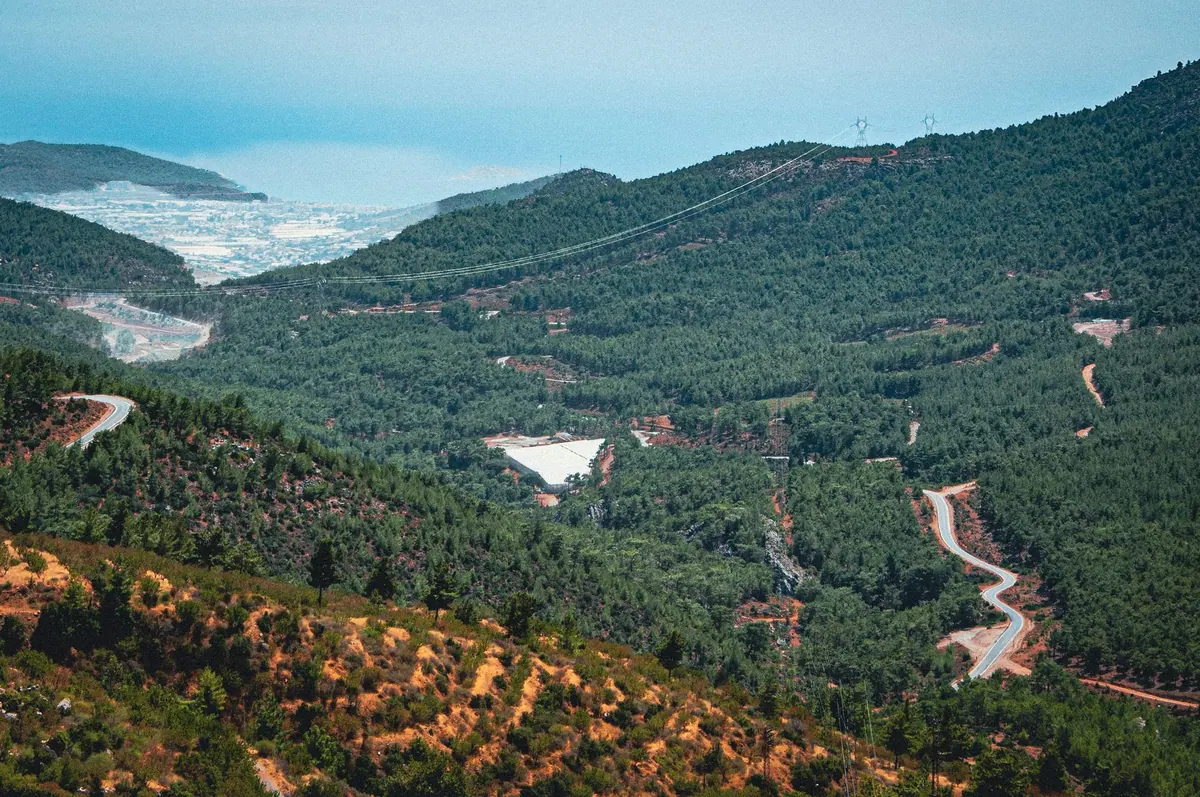
A proper little climb with hairpins, bracken on both sides and a view that opens up with every bend. Early to mid-October, when the beech is turning and the bracken has gone copper. There is a small pull-in near the top, but the last stretch on foot is steep. Take care in the bends: harvest traffic drags gravel and mud onto the road, and it sits exactly where you want your tyres.
Run this one on a morning when there is mist sitting in the valley below and you are driving above it. Late October into early November, just after sunrise, is the window. The reward is the inversion; the hazard is the opposite slope, which stays shaded, damp and cold long after the rest of the road has dried. Frost can appear here weeks before it reaches the lower lanes.
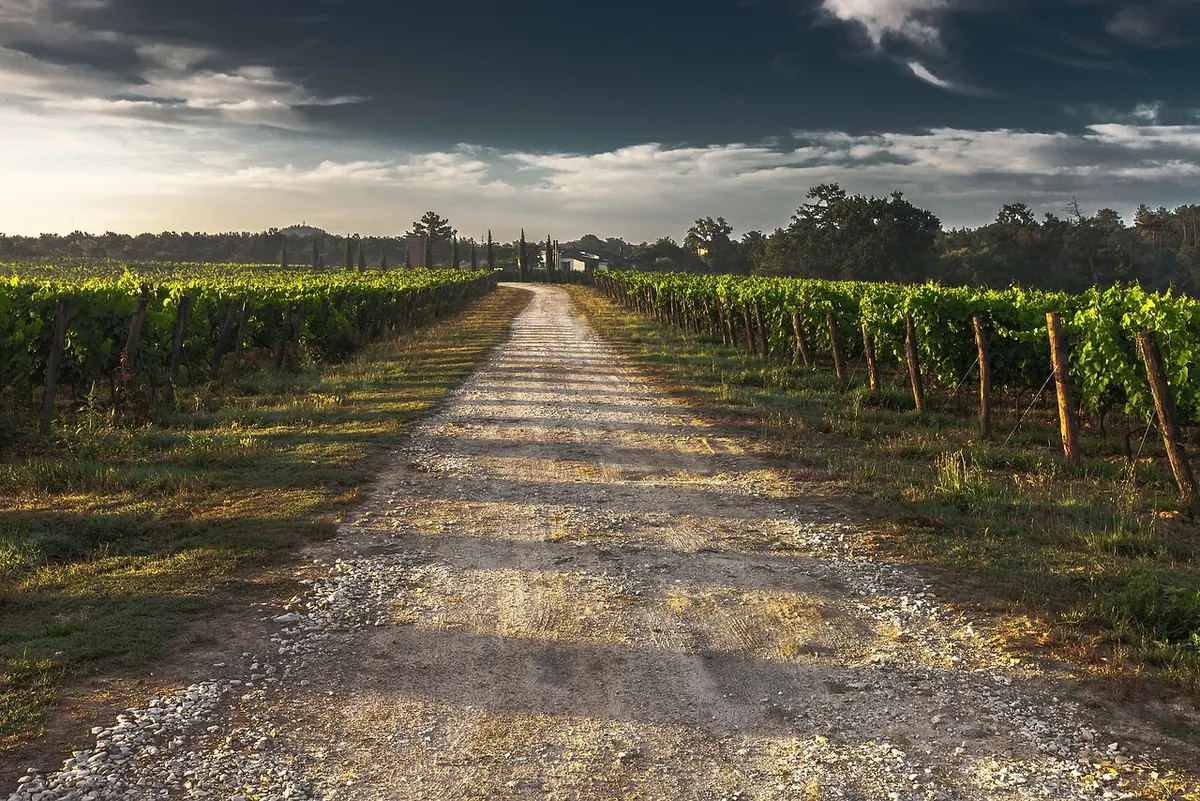
An old Roman alignment, dead straight for a couple of miles between low hedges. A crisp January morning after a hard frost is when it earns its place here: no leaves, no growth, nothing between you and the wide fields. Low sun is the issue on this road, both early and late, so keep a clean windscreen and a spare pair of sunglasses in the car. Puddles at the edges freeze first and stay frozen longest.
Once the trees are bare you can see the water for almost the whole loop, which you cannot do in summer. December through February, ideally on a still day when the surface goes flat and grey. The lane past the dam is shaded and can hold ice for days after a cold snap; cattle grids on the western side are rough enough to unsettle a low car. Take your time and enjoy having it to yourself.
A lane driven at the wrong time of year is just a lane. Driven at the right one, it is the reason you own the car.
Nearly everything on this list shares the same handful of practical problems, so a little preparation covers all ten:
Photo: Mehmet Akif Gülal / Pexels

Your guide to cars and driving in the Shire.
Copyright © 2026 Shire Motoring. All rights reserved. Shire Motoring.